Plasterboard Colours Explained: Specialist Boards and Why They Matter
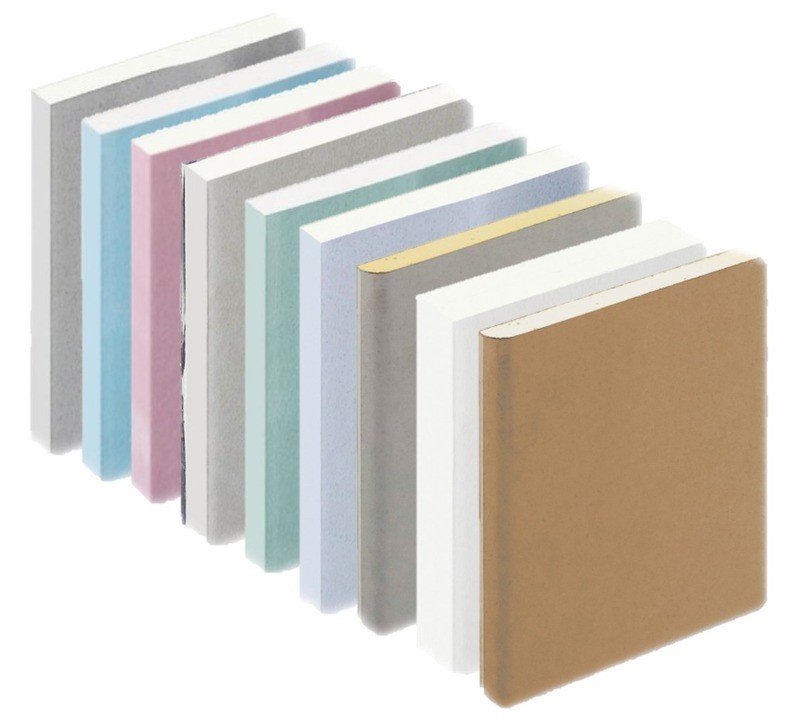
Plasterboard may look similar at first glance, but the colour of a board indicates its performance. Using the correct type is essential for meeting building regulations, improving comfort, and ensuring long-term durability.
Common Types of Plasterboard
White (Standard Plasterboard)
Used in dry areas such as living rooms and bedrooms. It’s cost-effective and suitable for most general applications.
Green (Moisture-Resistant)
Designed for kitchens, bathrooms, and utility rooms. Water-repellent additives reduce moisture absorption and help prevent mould growth.
Pink (Fire-Resistant)
Offers enhanced fire protection due to glass fibre reinforcement. Commonly used in party walls, stairwells, and garages.
Blue (Acoustic)
Higher density board that reduces sound transfer. Ideal for apartments, home offices, and bedrooms.
Foil (Vapour Control)
Includes an integrated vapour control layer to manage moisture and reduce condensation in external walls and roof spaces.
Why Specialist Boards Are Important
Selecting the correct plasterboard:
- Improves fire safety, acoustics, and moisture control
- Supports compliance with building regulations
- Extends the lifespan of internal finishes
- Reduces maintenance and future repair costs
At U Value Insulation, we support contractors, merchants, and architects with insulation solutions that work seamlessly with modern plasterboard systems — helping to deliver better-performing homes.