Thermal performance is a key focus in modern construction, with strict building regulations placing increasing emphasis on achieving low U-values.
However, even when the correct insulation is specified, one often overlooked issue can significantly undermine performance—thermal bridging.
At U Value Insulation, we regularly support contractors across the UK and Ireland in selecting the right materials. One of the most common challenges we see is not the insulation itself, but gaps in how it performs at junctions and structural elements.
In this guide, we explain what thermal bridging is, why it matters, and how to prevent it.
What Is Thermal Bridging?
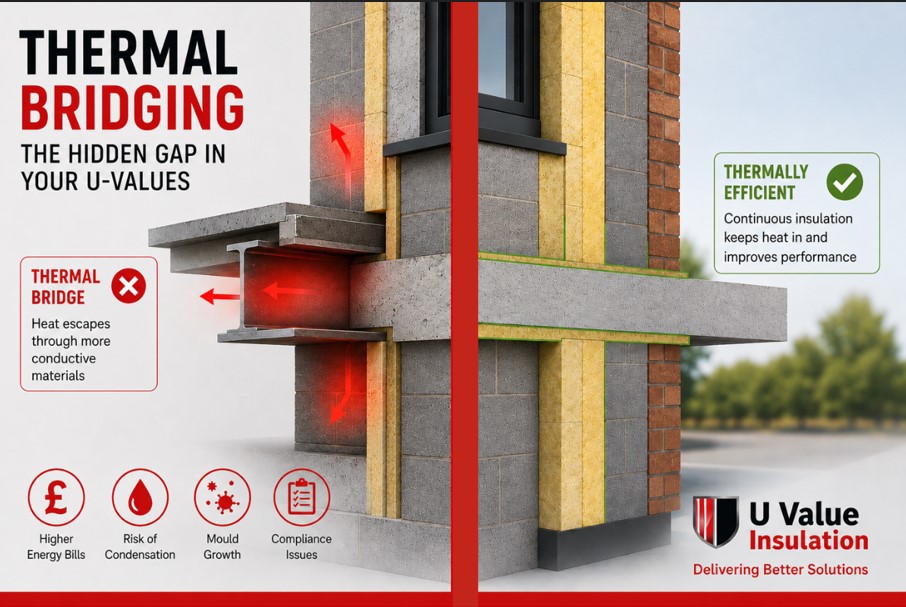
Thermal bridging occurs when heat bypasses insulation through a more conductive material.
In simple terms, it creates a path of least resistance for heat to escape the building.
Common examples include:
- Steel beams and columns
- Concrete slabs
- Wall-to-floor junctions
- Window and door reveals
These elements interrupt the insulation layer, reducing the overall thermal performance of the building envelope.
Why Thermal Bridging Matters
Even small thermal bridges can have a significant impact on performance.
1. Reduced Energy Efficiency
Heat loss through thermal bridges increases energy demand, making it harder to achieve target U-values.
2. Condensation Risk
Cold spots created by thermal bridging can lead to condensation forming on internal surfaces.
3. Mould Growth
Persistent condensation can result in mould, particularly around corners, windows, and junctions.
4. Compliance Issues
Failure to properly address thermal bridging can affect Energy efficiency calculations and lead to building regulation issues.
The Impact on U-Values
U-values measure how well a building element resists heat transfer—but they are often calculated under ideal conditions.
Thermal bridging introduces additional heat loss not always fully accounted for in basic calculations.
The result:
- The actual performance of the building is worse than expected
- Energy efficiency targets may not be achieved
- Heating costs increase over time
In short, you can specify the right insulation and still underperform if thermal bridging isn’t addressed.
How to Prevent Thermal Bridging
1. Ensure Continuity of Insulation
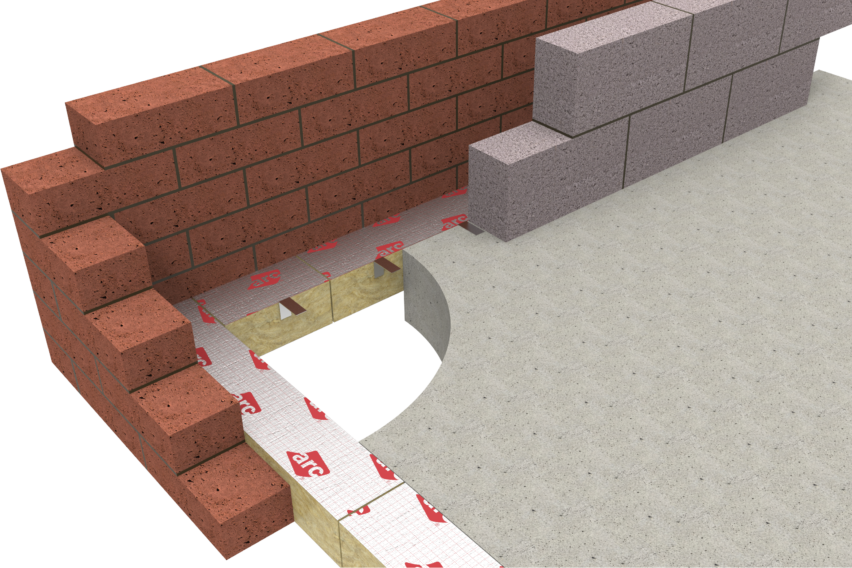
Insulation should form a continuous layer around the building envelope wherever possible.
2. Use Appropriate Insulation Products
Different areas of a build require different insulation solutions—particularly at junctions and structural interfaces.
3. Pay Attention to Detailing
Junctions should be carefully designed and executed to avoid gaps or breaks in insulation.
4. Address Structural Elements
Where steel or concrete elements are unavoidable, consider thermal break solutions or appropriate insulation strategies.
5. Plan Early
Thermal bridging is much easier to prevent during the design and specification stage than to fix on site.
The Role of the Right Supplier
While installation is critical, many thermal bridging issues begin at the specification stage.
Working with a supplier who understands:
- Product performance
- Application suitability
- System compatibility
can make a significant difference to the outcome of a project.
At U Value Insulation, we provide contractors with a wide range of insulation products along with impartial, experience-based advice to help ensure the right materials are selected from the outset.
Conclusion
Thermal bridging is one of the most common—and costly—issues affecting insulation performance in construction.
It can quietly undermine U-values, increase energy loss, and lead to long-term issues such as condensation and mould. By understanding where thermal bridging occurs and addressing it early in the project, contractors can significantly improve building performance and avoid unnecessary complications.
If you’re working on a project and want to ensure your insulation specification accounts for thermal bridging, our team is available to provide practical guidance and product support tailored to your build.